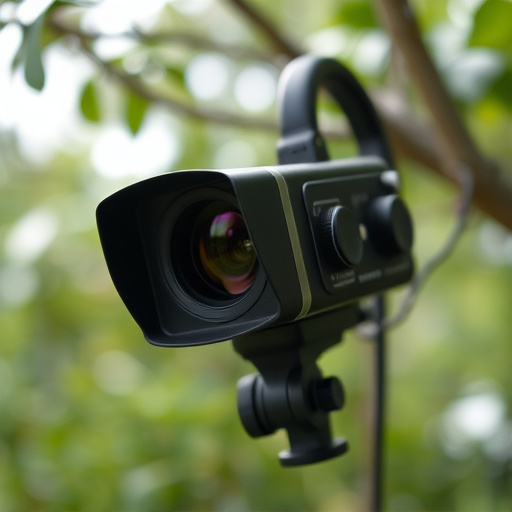
Motion-activated cameras revolutionize hidden device detection by prioritizing false alarm prevention through advanced design and machine learning algorithms. These cameras capture movement changes, adjust sensitivity to environmental factors, and recognize familiar patterns like pets or wind, minimizing unnecessary recordings. This technology ensures efficient surveillance while balancing false alarms, leveraging infrared sensing and heat signature analysis for accurate detection of hidden microphones, cameras, and bugs in sensitive spaces.
Uncover the secrets behind hidden recording devices with our comprehensive guide on advanced signal scanning methods. Explore the intricacies of motion-activated camera technology and understand how it can be a double-edged sword, offering both security and pesky false alarms. Delve into common challenges and discover innovative solutions to detect hidden devices effectively. Learn essential strategies for preventing false alarm prevention to ensure accurate surveillance. Unlocking these techniques is crucial for navigating today’s digital landscape.
- Understanding Motion-Activated Camera Technology
- Common Challenges and False Alarms in Signal Scanning
- Advanced Techniques for Hidden Device Detection
- Implementing Effective False Alarm Prevention Strategies
Understanding Motion-Activated Camera Technology
Motion-activated camera technology plays a pivotal role in hidden recording device signal scanning, especially in preventing false alarms. These cameras are designed to capture movement, triggered by subtle changes in light or sound, which makes them ideal for discreet surveillance. The sensitivity of motion sensors can be adjusted to differentiate between genuine movements and environmental factors, significantly reducing false alarm occurrences.
By utilizing machine learning algorithms, motion-activated cameras can now recognize familiar patterns, like pets or wind effects, minimizing unnecessary recordings. This advancement in technology ensures that only relevant activities are captured, enhancing the overall efficiency of hidden recording devices while maintaining a balance between surveillance and false alarm prevention.
Common Challenges and False Alarms in Signal Scanning
Hidden recording device signal scanning, while crucial for ensuring privacy and security, comes with its fair share of challenges. One of the primary hurdles is distinguishing legitimate signals from those that trigger false alarms. Motion-activated cameras, a popular choice for such devices, can inadvertently capture noise or sudden changes in environment that aren’t necessarily indicative of an intrusion. This leads to a significant issue: false alarm prevention.
False alarms not only waste valuable time and resources but also desensitize users to genuine security alerts. To mitigate these problems, advanced scanning methods employ sophisticated algorithms that analyze signal patterns, ambient noise levels, and environmental factors before triggering an alert. Techniques like adaptive filtering and machine learning help in identifying consistent, unusual movements or signals, thereby reducing the occurrence of false alarms and enhancing overall surveillance efficiency.
Advanced Techniques for Hidden Device Detection
In the realm of hidden device detection, advanced techniques have emerged to counter the growing sophistication of concealed recording devices. One such method involves the strategic use of motion-activated cameras, which can be programmed to capture activity in specific areas, minimizing false alarm prevention issues common with traditional static surveillance systems. By integrating these cameras with sophisticated signal scanning technologies, security professionals can now detect and locate hidden microphones, cameras, and other electronic bugs with remarkable precision.
This enhanced detection capability is achieved through a combination of infrared sensing, heat signature analysis, and advanced image processing algorithms that can identify unusual signals or anomalies within the environment. By employing these cutting-edge techniques, security teams can ensure more effective protection against unauthorized surveillance, maintaining privacy and confidentiality in sensitive spaces.
Implementing Effective False Alarm Prevention Strategies
Implementing effective false alarm prevention strategies is paramount in ensuring that motion-activated cameras, such as those used for security purposes, operate accurately and reliably. One key approach involves refining the camera’s sensitivity settings. By adjusting motion detection thresholds and fine-tuning image recognition algorithms, you can minimize false triggers caused by harmless movements like wind or pet activity. Regular calibration of the device is another vital step; this process ensures the camera stays accurate over time, reducing false alarms due to sensor drift.
Moreover, integrating advanced features like object recognition technology can significantly enhance accuracy. By teaching the system to recognize specific objects or individuals, it becomes less likely to trigger alerts for non-threatening motions. Additionally, employing multiple sensors with different activation triggers—combining motion and heat detection, for instance—can further mitigate false alarms. This multi-layered approach ensures that security systems remain vigilant while minimizing unnecessary disturbances.
Hidden recording device signal scanning is a complex task, often hindered by false alarms. By understanding motion-activated camera technology and implementing advanced detection techniques, it’s possible to minimize these interruptions. Combining this with strategic false alarm prevention strategies ensures effective surveillance without the hassle of constant false triggers. In today’s world where security is paramount, these measures help create a safer environment while preserving peace of mind.