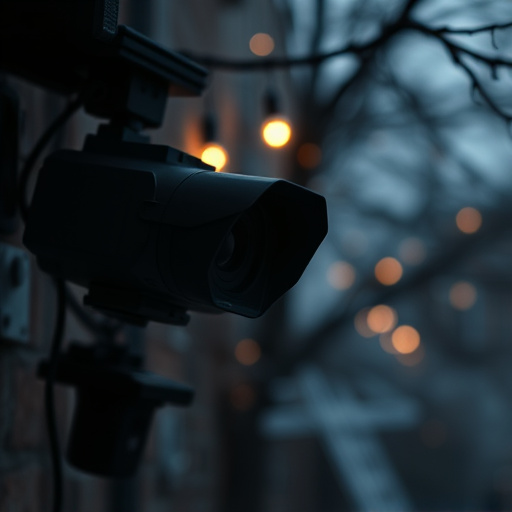
Implement strategic placement, avoid direct sunlight and wind zones, utilize infrared technology, adjust sensitivity levels, maintain lenses and sensors, and consider advanced features like motion tracking and intelligent analytics for effective motion activated camera false alarm prevention. These measures enhance monitoring system reliability by minimizing unnecessary alerts. Additionally, use signal detection software to identify covert surveillance equipment and stay updated on security protocols for comprehensive protection.
Uncover the secrets behind hidden monitoring device signal detection with our comprehensive guide. Learn how motion activated cameras work and their unique signals, offering insights to prevent annoying false alarms. Explore advanced strategies tailored for professionals and enthusiasts alike, ensuring accurate identification of covert monitoring devices. Discover tips to enhance your surveillance skills, making you an expert in navigating these modern detection techniques.
- Understanding Motion Activated Cameras and Their Signals
- Strategies to Prevent False Alarms in Monitoring Devices
- Advanced Tips for Detecting Hidden Monitoring Device Signals
Understanding Motion Activated Cameras and Their Signals
Motion activated cameras, while powerful tools for surveillance and security, can sometimes trigger false alarms due to their sensitive nature. Understanding how these devices work is key in preventing unnecessary alerts. These cameras are designed to capture movement within a defined range, automatically activating when they sense motion. The signals they emit can be triggered by various factors—from a simple breeze to animal movement or even changes in light levels. To minimise false alarms, it’s essential to fine-tune the camera’s settings, including adjusting sensitivity and triggering distance. Regularly checking and calibrating these cameras ensures optimal performance.
Additionally, placing them strategically in areas with high motion but minimal interference can help. For instance, avoiding close proximity to ventilation shafts or windows that might cause erratic movements can reduce false triggers. By combining these tips with regular maintenance, you can effectively utilise motion activated cameras while keeping false alarm rates at bay.
Strategies to Prevent False Alarms in Monitoring Devices
To prevent false alarms from motion-activated cameras, it’s crucial to implement strategic placement and fine-tuning. Positioning sensors away from direct sunlight and wind zones can significantly reduce unintentional triggers. Using infrared technology that distinguishes between heat signatures of humans and animals can also cut down on false alerts. Additionally, adjusting sensitivity levels and setting specific trigger zones helps in capturing intended activity while avoiding spurious activations. Regular cleaning and maintenance of lenses and sensors ensure optimal performance without errors.
For effective false alarm prevention, consider using motion-activated cameras with advanced features like motion tracking and intelligent analytics. These capabilities allow the devices to learn patterns, differentiate between people, pets, and other objects, thereby minimizing false alarms. Incorporating these strategies can greatly enhance the reliability of your monitoring system.
Advanced Tips for Detecting Hidden Monitoring Device Signals
Detecting hidden monitoring device signals can be a challenging task, but with advanced techniques and tools, it becomes more feasible. One powerful method to uncover these devices is by utilizing motion-activated cameras with false alarm prevention features. These cameras are designed to capture only when there’s genuine movement, significantly reducing false alerts. By strategically placing such cameras in areas prone to intrusion, you can monitor for any suspicious activities without constantly reviewing footage.
Additionally, employing signal detection software that analyzes radio frequency (RF) and infrared patterns can help identify hidden monitoring devices. These tools are capable of detecting unusual signals or frequencies that might indicate the presence of covert surveillance equipment. Regularly updating security protocols and staying informed about emerging technologies in the field is essential to keep up with evolving monitoring device techniques.
In the realm of hidden monitoring device detection, understanding motion-activated camera signals and implementing effective false alarm prevention strategies are key. By recognizing the unique patterns and characteristics of these signals, you can enhance your ability to identify potential hidden cameras. Combining these insights with advanced tips like analyzing signal anomalies, studying behavior patterns, and utilizing specialized detection tools allows for a proactive approach in navigating this modern surveillance landscape. Remember that staying informed and adaptable is crucial in protecting privacy and securing environments from unwanted monitoring.