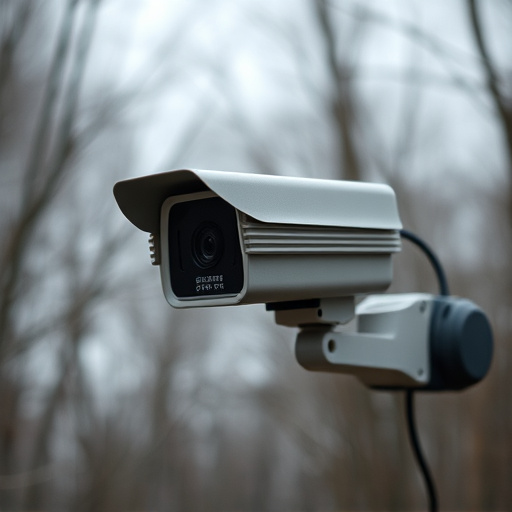
Motion-activated cameras (Motion Activated Camera) offer homeowners a discrete way to monitor children and pets' safety. For effective use, strategically place them in high-traffic zones to capture natural activity, minimizing false alarms caused by pet movement or vibrations. Regularly review footage to adjust settings, ensuring optimal performance while respecting privacy by informing all occupants of the camera's presence.
Nanny cams offer peace of mind, but proper placement is key. This guide explores the art of concealing motion-activated cameras within your household while mitigating false alarm concerns and respecting privacy boundaries. We delve into cutting-edge technology, strategic location choices, and ethical considerations to ensure a harmonious balance between safety and discretion. By understanding these nuances, you can create an environment where both parents and caregivers feel secure without compromising personal space.
- Understanding Nanny Cam Technology
- Choosing Discreet Placement Spots
- Motion Detection and False Alarms
- Ethical Considerations for Privacy
Understanding Nanny Cam Technology
Nanny cams, also known as motion-activated cameras, have become increasingly popular tools for homeowners seeking peace of mind while ensuring their children or pets are safe. These innovative devices offer a discrete way to monitor activities within your household, providing real-time video feeds that can be accessed remotely through smartphone apps. Understanding how they work is key to effective implementation and avoiding false alarm situations.
Motion-activated cameras use advanced sensors to detect any movement in their field of view, triggering the camera to capture video or take photos. This technology ensures that only when there’s activity will the camera record, saving storage space and battery life. However, it’s crucial to strategically place these cameras considering false alarm prevention. By positioning them in areas prone to sudden movements from pets or young children playing, you can minimise false triggers, ensuring a seamless monitoring experience without unnecessary alerts.
Choosing Discreet Placement Spots
When selecting spots for your nanny cam, discretion is key. Aim to place the motion-activated camera in areas that are out of plain sight but still offer optimal coverage. For instance, consider hiding it behind decorative items like picture frames, plants, or even within a bookcase—a clever way to avoid false alarm triggers and ensure no one suspects its presence.
Additionally, think about high-traffic zones where you can capture activity without drawing attention. A kitchen counter or a hallway shelf might be ideal locations as people naturally pass through these areas, making it less likely to raise eyebrows if the camera is noticed. Preventing false alarms is crucial for maintaining peace of mind; by strategically choosing placement spots, you can achieve this while keeping an eye on your household’s well-being.
Motion Detection and False Alarms
Motion-activated cameras, while incredibly useful for monitoring your home, can sometimes be prone to false alarms due to their sensitive nature. Understanding how to manage and prevent these is essential for any smart home setup. One common cause of false alarms is pet movement or slight vibrations from household activities. To mitigate this, strategically place your camera to capture only specific areas, ensuring it’s focused on potential problem spots rather than broad zones. Additionally, many modern motion-activated cameras offer adjustable sensitivity settings, allowing you to fine-tune the detector to avoid unnecessary trips. Regularly review footage and adjust settings as needed for optimal performance and to prevent false alarm fatigue.
Ethical Considerations for Privacy
When setting up a nanny cam or any form of surveillance, it’s crucial to balance convenience with ethical considerations regarding privacy. While these cameras offer valuable peace of mind, they must be used responsibly. One key aspect is ensuring that all parties, especially those being recorded, are aware of the camera’s presence. Informed consent is essential; residents should know when and where cameras are operating.
Moreover, motion-activated cameras should be strategically placed to prevent false alarms and minimize intrusion into private spaces. Proper placement ensures that activities are captured without unnecessarily recording personal moments. Additionally, regular review of footage can help in fine-tuning camera positioning, thereby reducing unnecessary alerts and enhancing privacy protections. Remember, responsible use of nanny cams involves striking a delicate balance between safety and respecting individual privacy rights.
When it comes to nanny cams, choosing discreet placement spots and understanding motion-activated camera false alarm prevention is key. By strategically positioning these devices without compromising ethical considerations for privacy, you can ensure a safe environment for your family while avoiding unnecessary stress from false alarms. Remember, the right setup allows you to maintain trust and peace of mind, knowing your loved ones are cared for even when you’re not present.