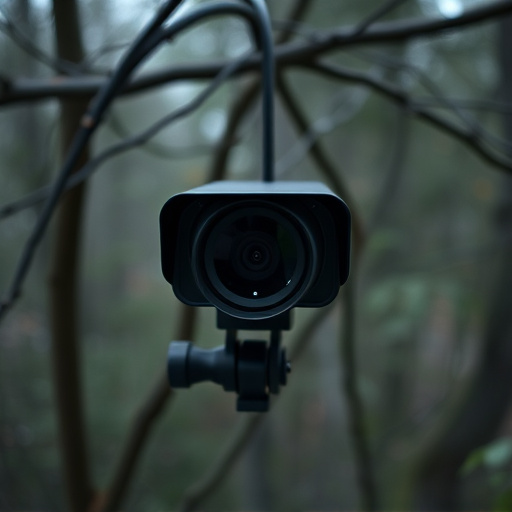
Motion-activated cameras have transformed security by detecting movement and reducing false alarms through advanced sensors, preserving privacy while providing high-quality footage for high-risk areas like construction sites. Strategically designed to blend into environments, these cameras use algorithms, sensor cleaning, infrared technology, and smart home integration to minimize false triggers. Legal considerations and ethical deployment are crucial, with regulations varying by region and focusing on informed consent and legitimate purposes, such as preventing false alarms.
Uncover the art of creative camera concealment with our comprehensive guide. Explore the power of motion-activated cameras and their diverse applications, from home security to undercover investigations. Discover innovative techniques to minimize detection, ensuring discreet surveillance. Learn effective strategies to prevent false alarms, a critical aspect of responsible usage. Additionally, navigate legal considerations and ethical guidelines for the wise implementation of hidden cameras, ensuring both privacy protection and legitimate use.
- Understanding Motion-Activated Cameras and Their Applications
- Creative Concealment Techniques for Minimal Detection
- False Alarm Prevention Strategies: A Comprehensive Approach
- Legal Considerations and Ethical Use of Hidden Cameras
Understanding Motion-Activated Cameras and Their Applications
Motion-activated cameras have revolutionized surveillance and security systems due to their advanced technology. These cameras use motion sensors to detect any movement in their field of view, triggering the camera to capture video or take photographs. This feature offers several creative solutions for diverse applications. For instance, they can be strategically placed in hidden locations to monitor high-risk areas like construction sites or secure valuable assets without constant human oversight.
One significant advantage is false alarm prevention. By programming sensitive motion detectors and setting specific triggers, users can avoid unwanted recordings caused by passing breeze, pets, or insects. This ensures that genuine security incidents are captured while minimizing the disruption of false alerts.
Creative Concealment Techniques for Minimal Detection
In the realm of micro camera concealment, creative techniques are essential for achieving minimal detection while capturing high-quality footage. One innovative approach is the utilization of motion-activated cameras, which can be strategically placed to capture activities only when necessary, thereby reducing the risk of false alarm prevention. By integrating these devices with sophisticated motion sensors and advanced algorithms, users can ensure that the camera captures movement without constantly recording, preserving privacy and enhancing efficiency.
Moreover, thoughtful design and placement are pivotal in preventing false alarms. This involves considering environmental factors such as wind, pets, or natural movements that might trigger the sensor unnecessarily. By employing camouflage techniques and integrating the camera seamlessly into surrounding objects or structures, the device becomes nearly invisible, allowing for unobtrusive surveillance without compromising the integrity of the footage.
False Alarm Prevention Strategies: A Comprehensive Approach
To prevent false alarms from motion-activated cameras, it’s crucial to implement a comprehensive approach that considers various environmental factors and setup optimizations. One effective strategy is to utilize advanced motion detection algorithms that can differentiate between human movement and harmless objects like pets or trees. Adjusting sensitivity settings and defining specific zones for camera activation can also minimize false triggers. Regular maintenance, including cleaning sensors and testing under different conditions, ensures optimal performance.
Additionally, strategic placement of cameras in well-lit areas with minimal obstructions significantly reduces the likelihood of false alarms. Utilizing infrared technology for night vision further enhances accuracy by minimizing interference from ambient light fluctuations. Combining these strategies with smart home integration allows for real-time alerts and remote adjustments, empowering users to address potential issues promptly and effectively.
Legal Considerations and Ethical Use of Hidden Cameras
When employing micro cameras for concealment, it’s paramount to understand and adhere to legal boundaries. The use of hidden cameras raises privacy concerns, leading to stringent regulations in many jurisdictions. Laws vary across regions, dictating permissible uses and restrictions on surveillance. For instance, some areas mandate explicit consent from individuals being recorded, especially in private spaces. Others have specific rules for public areas, with considerations for potential false alarm prevention mechanisms like motion-activated cameras.
Ethical use is equally significant. Capturing footage without informed consent can infringe on personal privacy rights. It’s crucial to implement measures like secure data storage and access controls to ensure the protection of collected data. Additionally, focusing on specific targets relevant to a legitimate purpose, such as preventing false alarms, can mitigate ethical concerns surrounding surveillance.
In conclusion, the strategic placement and creative concealment of micro cameras can significantly enhance surveillance capabilities while minimizing detection. By understanding motion-activated camera technology and employing effective false alarm prevention strategies, users can capture valuable footage without raising unnecessary suspicions. However, it’s paramount to navigate legal boundaries and uphold ethical practices when deploying hidden cameras, ensuring responsible use in accordance with local regulations.