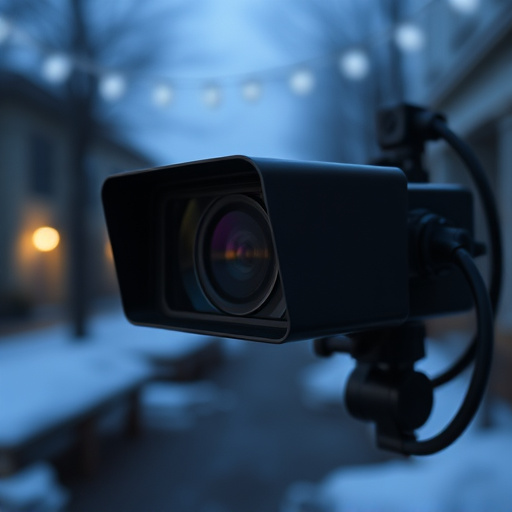
Motion-activated cameras can enhance security but often face false alarm issues due to sensitive sensors. To mitigate this, users should optimize settings, position cameras strategically with clear lines of sight, and establish buffer zones. Regular maintenance and testing are crucial for accuracy. In micro camera concealment, combining advanced false alarm prevention mechanisms with creative integration into everyday objects allows discreet surveillance while minimizing false alarms through specific strategies and regular sensor calibration.
“Uncover the power of micro cameras with our comprehensive guide on creative concealment and false alarm prevention. In today’s world, motion-activated cameras are essential tools for security, but they can also be a nuisance due to false alarms. This article delves into the art of stealthy camera placement, offering innovative solutions for discreet surveillance. We explore effective strategies to minimize false triggers, ensuring your security system remains reliable. From understanding camera mechanics to clever concealment techniques, this guide is your go-to resource for harnessing micro cameras’ potential while avoiding unnecessary alerts.”
- Understanding Motion-Activated Cameras and False Alarms
- Creative Concealment Solutions for Micro Cameras
- Preventing False Alarm Triggers: Tips and Tricks
Understanding Motion-Activated Cameras and False Alarms
Motion-activated cameras offer a discrete and effective way to capture footage, but they also come with the potential pitfall of false alarms. Understanding how these cameras work is key to minimising such disruptions. The technology behind motion-activated cameras involves advanced sensors that detect movement within a specific range. This could lead to unintended triggers from natural phenomena like pets, wind, or even passing vehicles, resulting in false alarm scenarios.
To prevent these false alarms, users can employ various strategies. Adjusting the camera’s sensitivity settings is a basic yet effective method. Positioning the camera correctly, ensuring it has a clear line of sight without obstructions, and creating buffer zones around areas that shouldn’t be monitored can also significantly reduce false triggers. Regular maintenance and testing are essential to keep the cameras calibrated and responsive only when necessary.
Creative Concealment Solutions for Micro Cameras
In the realm of micro camera concealment, creativity is key to achieving discreet and effective surveillance. One innovative solution involves integrating motion-activated cameras with sophisticated false alarm prevention mechanisms. These tiny yet powerful devices can be strategically placed in various environments, from homes to businesses, to capture footage without drawing unwanted attention. By utilizing advanced motion sensors, the cameras only activate when there’s actual movement, significantly reducing false triggers and minimizing the risk of exposure.
To enhance concealment further, consider integrating these micro cameras into everyday objects or accessories. For instance, a cleverly designed wall clock with an embedded camera can monitor activity while adding to the decor. Similarly, small cameras disguised as buttons or switches allow for unobtrusive monitoring without compromising aesthetics. Such creative solutions ensure that surveillance remains discrete, making it an ideal choice for those seeking to capture evidence or maintain security without attracting unwanted scrutiny.
Preventing False Alarm Triggers: Tips and Tricks
Preventing false alarm triggers is a critical aspect of successful micro camera concealment, especially for motion-activated devices. These tiny cameras, while powerful, can be set off by unsuspecting movements or changes in light, leading to unwanted recordings and potential privacy breaches. To avoid these scenarios, consider implementing specific strategies: adjust sensitivity settings to respond only to significant movement; use advanced algorithms that differentiate between human activity and environmental changes; and position the camera strategically, avoiding areas prone to false triggers, like drafty windows or busy hallways.
Additionally, regular maintenance and testing can significantly reduce false alarms. Calibrate sensors periodically, ensuring they respond accurately to movement patterns in your environment. Review footage from time to time to understand common trigger points and adjust placement or settings accordingly. By adopting these tips, you can enhance the reliability of your motion-activated camera system, ensuring it captures intended moments without unnecessary interruptions.
Micro cameras, when properly concealed, offer a powerful tool for surveillance. By understanding motion-activated camera functionality and implementing creative concealment solutions, you can capture valuable footage without invoking false alarm triggers. With the tips outlined in this guide, you’ll learn how to prevent unnecessary alerts, ensuring discreet and effective monitoring. Remember, successful implementation relies on balancing technology with ingenuity to avoid false alarms and harness the full potential of micro cameras.